

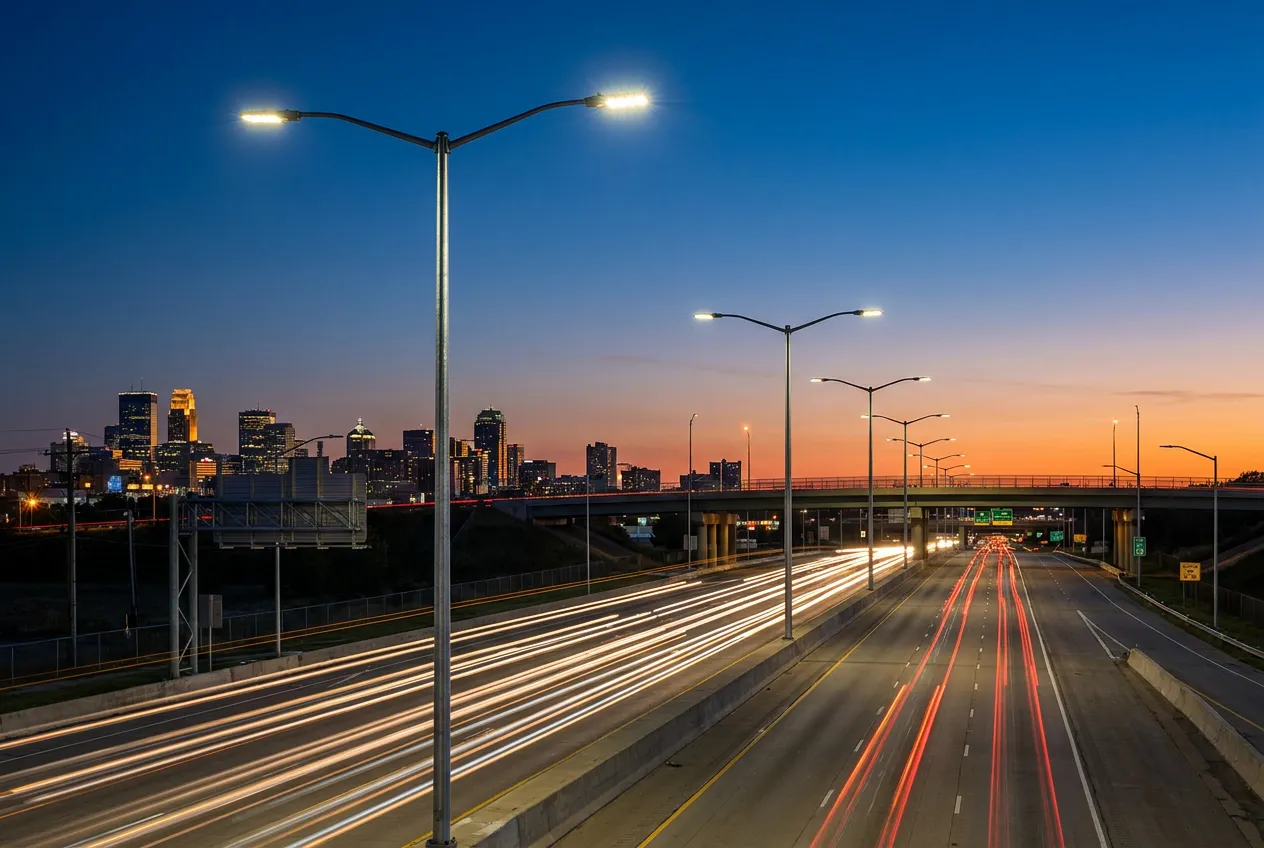
Street Light Pole
Aluminum, stainless steel and galvanized steel street light poles, configured for roads, highways and municipal projects.
Multiple Material Options
Aluminum, stainless steel and galvanized steel options for different project environments
Project-specific Engineering
Pole height, fixture load and wind resistance designed to project requirements
Custom OEM/ODM
Shaft profile, arm configuration, base plate, finish and mounting interface customized
Quality-controlled Production
Material, welding, dimensions and assembly inspected before export shipment
Categories
Request a Project Quote
Tell us about your project and our team will provide a competitive quote within 12 hours.
Your details are used only to prepare your project quote — no spam.
Fast Response
Within 12 Hours
Custom Solutions
OEM/ODM Support
Global Shipping
Reliable Delivery
Types of Street Light Poles
Street light poles and compatible LED luminaires for municipal roads, highways and smart-city projects. Structural design and configuration are confirmed against each project specification.
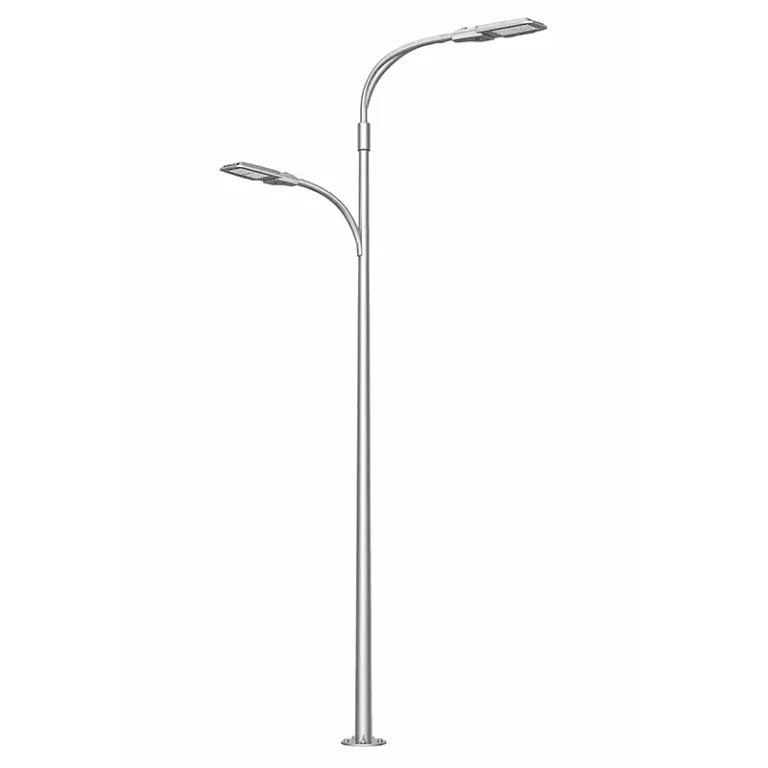
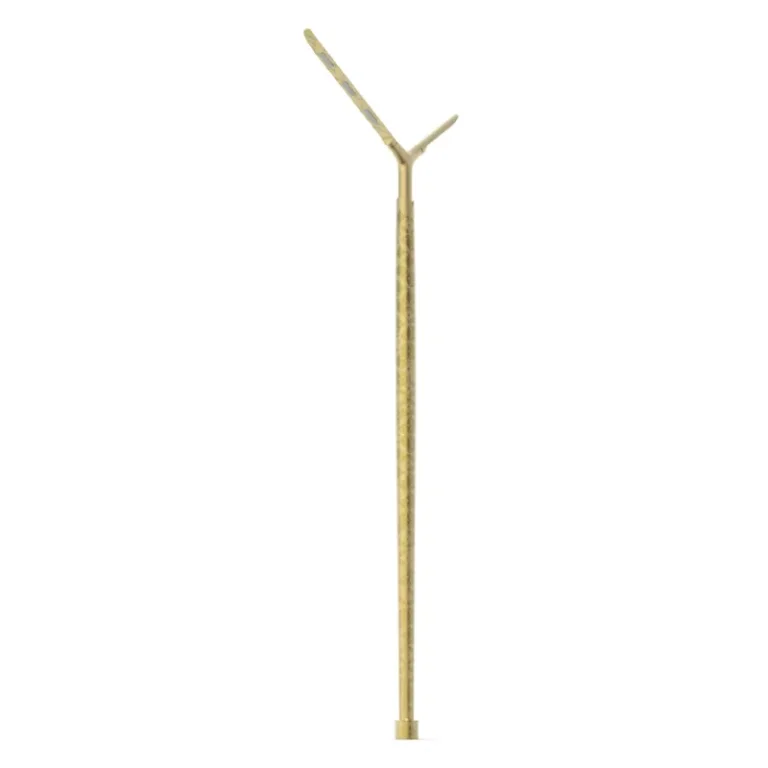
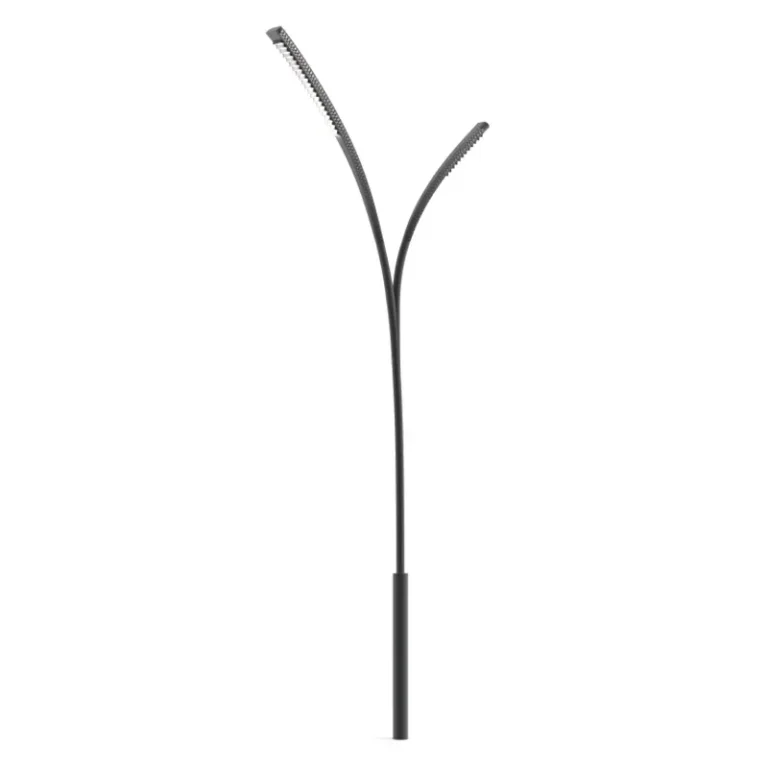
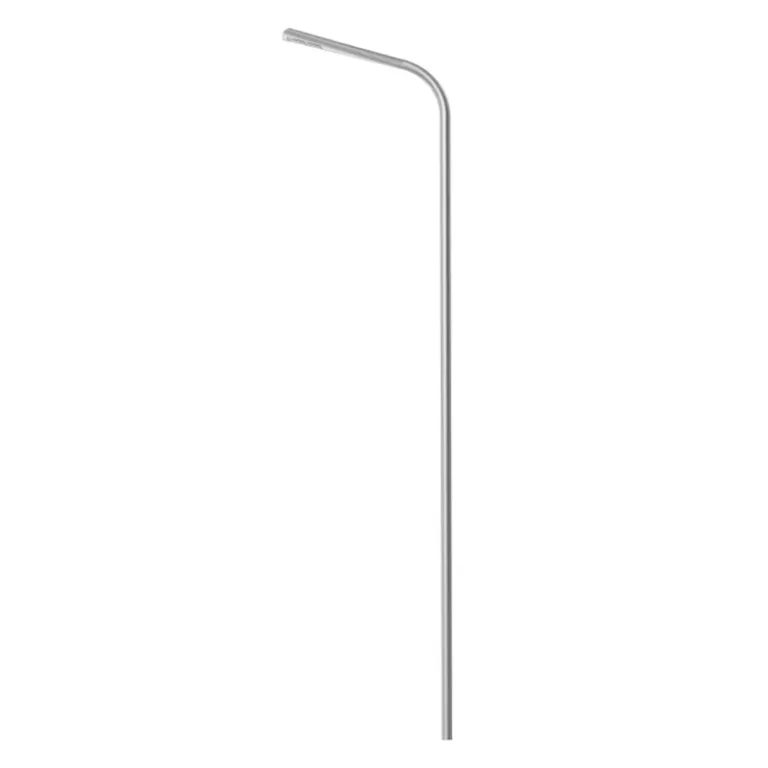
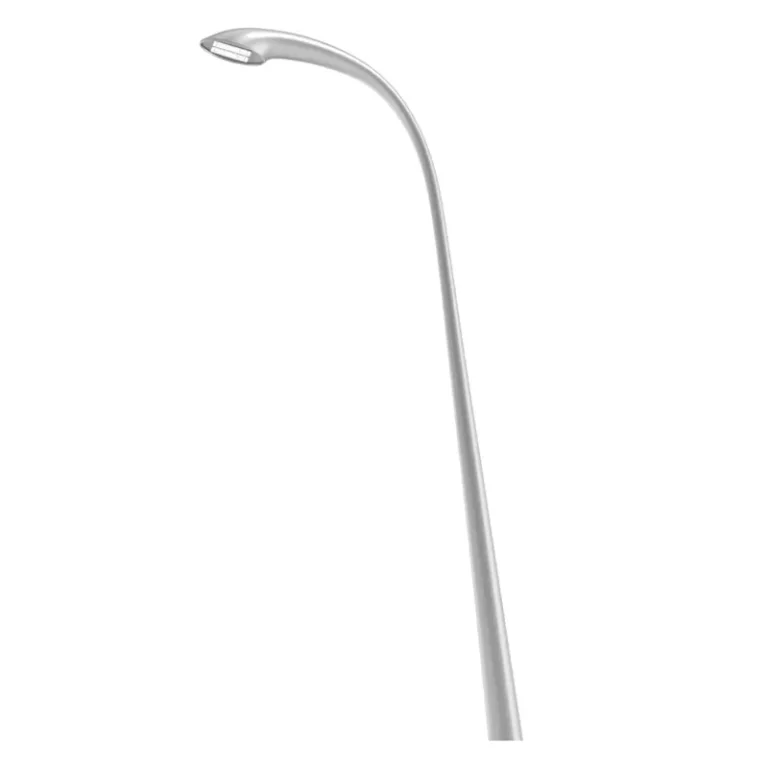
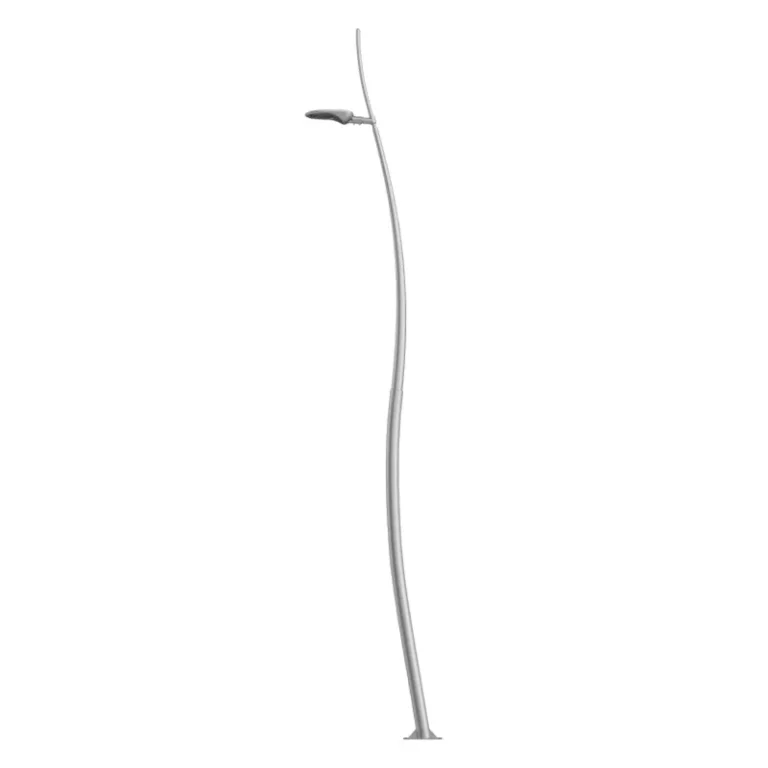
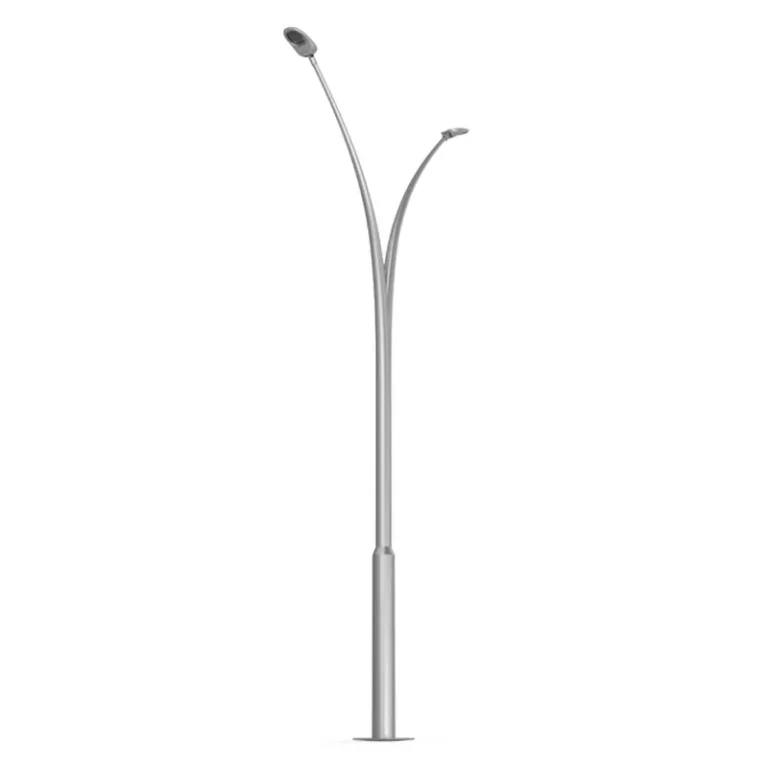
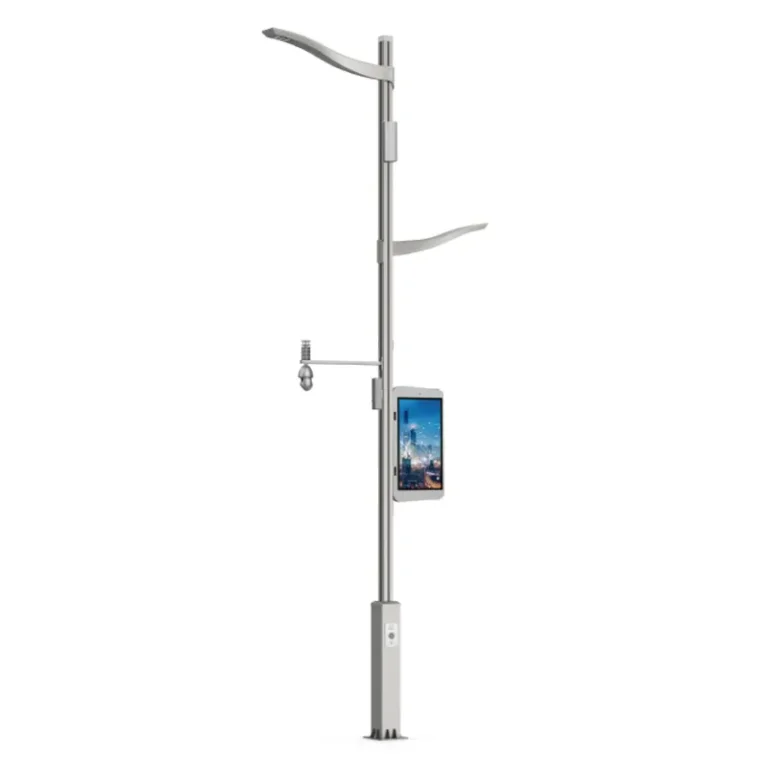
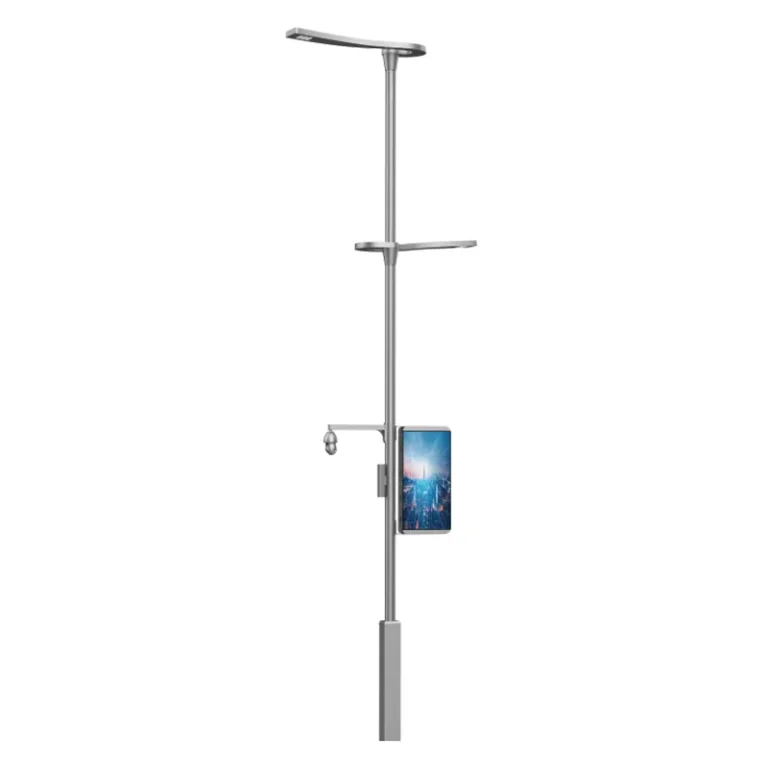
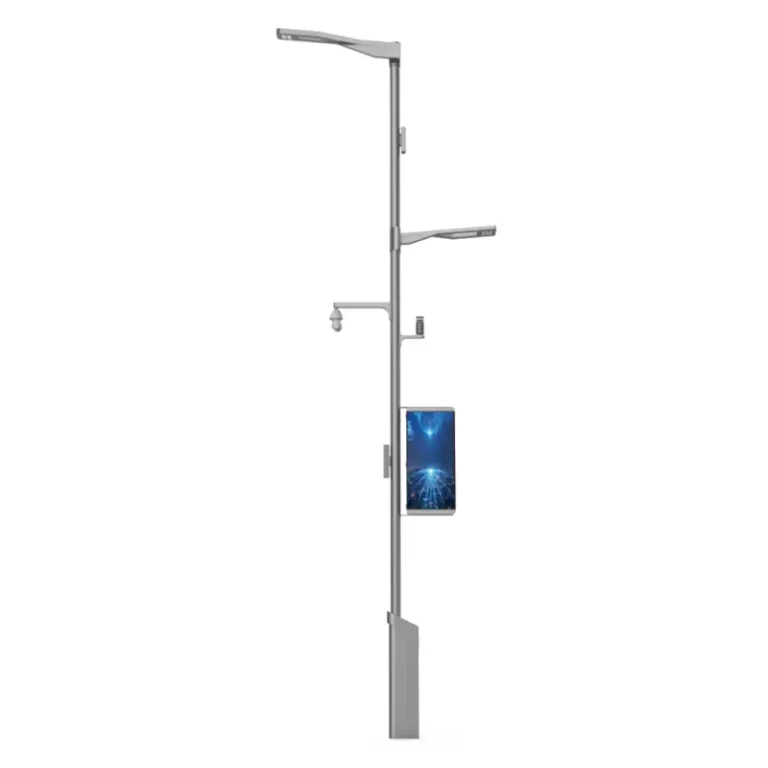
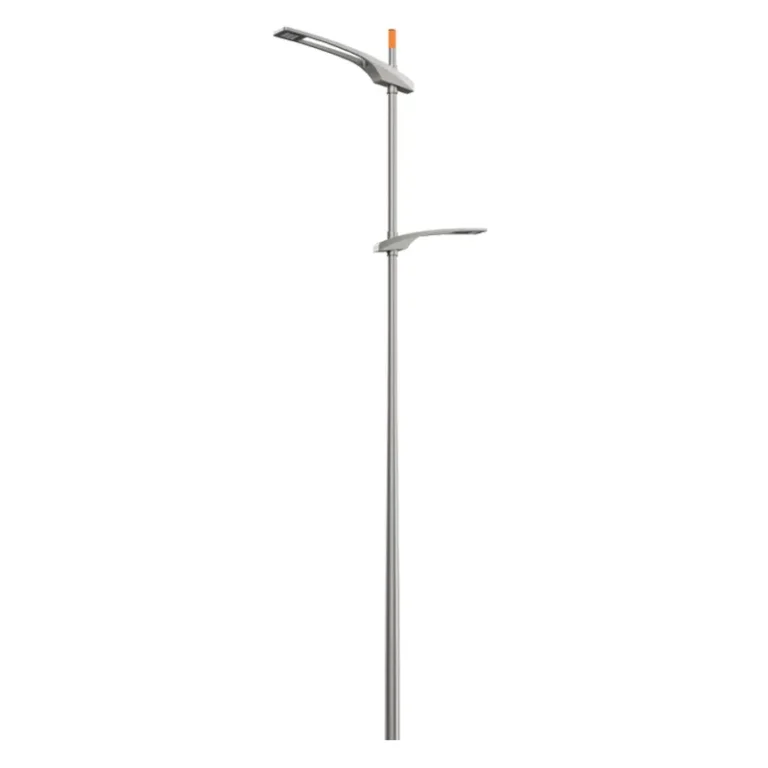
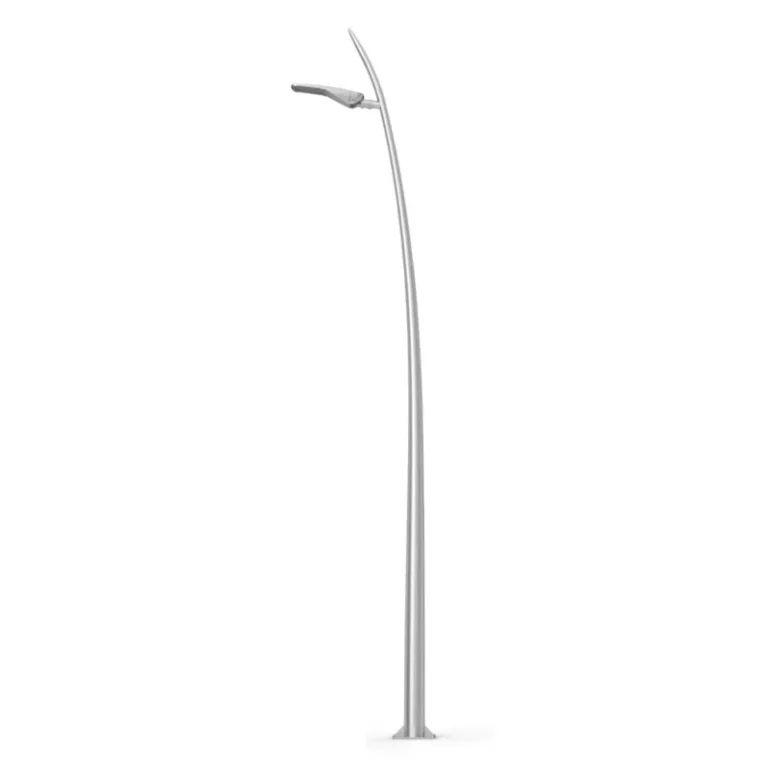
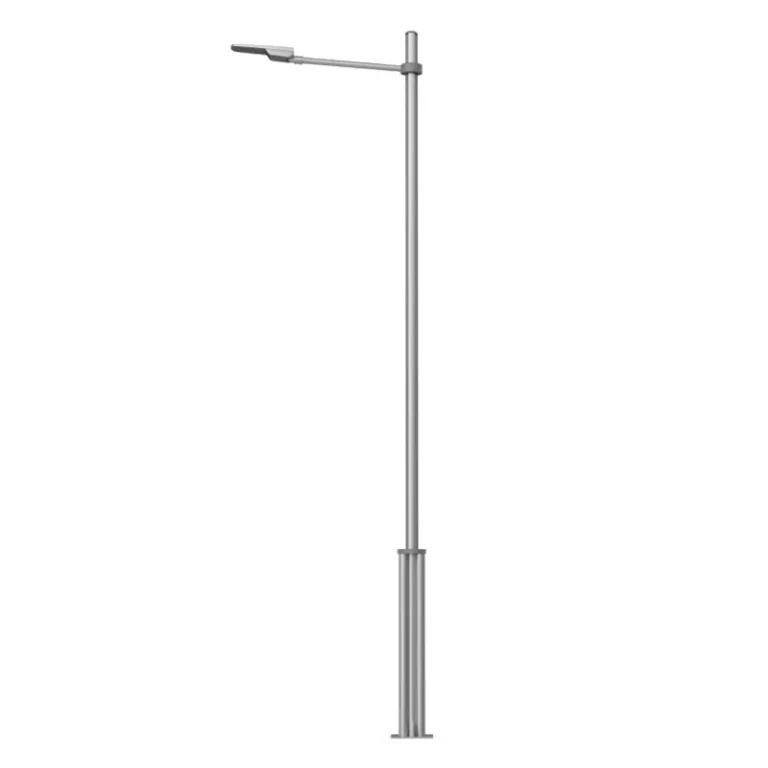
Compare tapered, davit, single-arm, double-arm and direct-burial pole options below. For a project quotation, provide the mounting height, luminaire weight and projected area, design wind speed, arm configuration, installation method, finish and quantity so the configuration can be reviewed against your requirements.

Why Choose Yaolong for Lighting Poles?
Yaolong manufactures custom street light poles for roads, parking areas, industrial sites and public infrastructure projects. Available options include aluminum and stainless steel shafts, single or multiple arms, base-mounted configurations, project-specific finishes and luminaire mounting details.
Each configuration should be reviewed according to pole height, fixture weight, effective projected area and local wind criteria. Explore our aluminum light poles, stainless steel light poles or request a quotation.
Prime-Grade Steel & Aluminum
Available materials include 304 / 316 stainless steel and 6061-T6 / 6063-T5 aluminum. The grade and temper are confirmed for each model and project specification; material documentation can be provided for the specified order.
Welding & Inspection
Welding methods and inspection requirements depend on the pole material, joint design and project specification. Applicable inspection records can be confirmed during technical review.
Hot-Dip Galvanizing (HDG)
Hot-dip galvanizing is available for suitable steel pole components where specified. The applicable standard, target coating thickness, inspection scope and documentation are confirmed for each project.
Structural Calculation
Structural calculations are prepared for the specified pole configuration and applicable project criteria. Wind speed, terrain, pole height, luminaire loads and projected area are considered; calculation documentation can be requested with the project enquiry.
Pre-Shipment Dry Assembly
Pre-shipment checks are matched to the approved configuration. Where applicable, pole-to-arm fit, base-plate bolt-hole alignment and key dimensions are checked against approved drawings. Direct-burial models are inspected against their specified embedded-section and ground-line details.
Export Packaging & Shipping
Packaging options include steel crating, air-bubble wrap or plywood cases, selected for the shipment requirements. Stainless-steel hardware is packed separately and secured inside the access door. Export shipments can be prepared for FCL, LCL or air freight.
Project Drawing and Document Checklist
Before selecting a street light pole, send the installation location, mounting height, number and position of luminaires, fixture weight and projected wind area, arm outreach, required finish and project wind criteria. Include any additional mounted equipment so it can be considered in the structural review.
- Mounting interface: confirm the luminaire tenon or bracket dimensions, orientation and cable route with the approved fixture drawing.
- Foundation interface: for an anchor-base design, confirm the base plate and bolt-circle requirements; for a direct-burial design, confirm the ground-line and embedment requirements. The selected method must match the model and site design.
- Submittal scope: identify the model-specific drawing, structural calculation and applicable material, finish or inspection records required by the purchaser. Confirm which documents are included with the quotation before ordering.
The final pole, fixture and foundation configuration should be checked against local requirements and approved by the project engineer. Browse the aluminum light pole range or stainless steel light pole range for material-specific options.
Applications
Street lighting poles deployed across every major infrastructure sector
Urban Roads & Streets
Tapered round and double-arm poles for city road networks, residential streets, and pedestrian walkways. Clean aesthetic, minimal maintenance.
- Municipal Roads
- Residential Areas
- Shopping Streets
Highways & Expressways
High-strength octagonal and double-arm poles with cantilever arms. Wind-resistant design for high-speed corridors and median strips.
- National Highways
- Expressways
- Interchanges
Airports & Ports
High-mast poles (20–45 m) with lowering systems for airport aprons, cargo terminals, seaport container yards, and wharf areas.
- Airport Aprons
- Cargo Terminals
- Container Yards
Industrial Zones
Heavy-duty poles for factories, logistics parks, refineries, and warehouses. Rated for harsh environments, vibration resistant.
- Industrial Parks
- Warehouse Zones
- Refineries
Street Light Pole FAQs
Start with the road width, lighting target, luminaire optics and proposed pole spacing. A photometric layout can help determine the mounting height and arm outreach; the final pole structure should then be checked against the project's wind and fixture loads.
A tapered pole describes the shaft shape. Single-arm and double-arm describe how luminaires are supported. These features can be combined, so the choice depends on the road layout, number of luminaires and required outreach.
Aluminum, stainless steel and galvanized steel serve different design and maintenance needs. Compare them against the site environment, structural requirements, desired appearance and project budget rather than selecting by material alone.
A base-mounted pole is fixed to an engineered foundation with anchor bolts; a direct-burial pole has an embedded section. The appropriate method depends on the approved civil design, site conditions and maintenance requirements.
Provide the installation location and design wind criteria, pole height, arm dimensions, and the weight and projected area of every mounted item, including luminaires, signs or solar equipment where applicable.
Pole profile, arm arrangement, finish and mounting details can be reviewed against your specification. Share the luminaire mounting dimensions and project drawings before the configuration is finalized.
Please send the required quantity, installation location, mounting height, pole and arm style, luminaire details, finish, mounting method and any applicable drawings or standards. This helps us define the supply scope and prepare a comparable quotation.
The standard minimum order quantity is 10 sets. Lead time is typically 15–25 working days after deposit and drawing approval. Please confirm the final schedule in the quotation for your selected design and order quantity.