

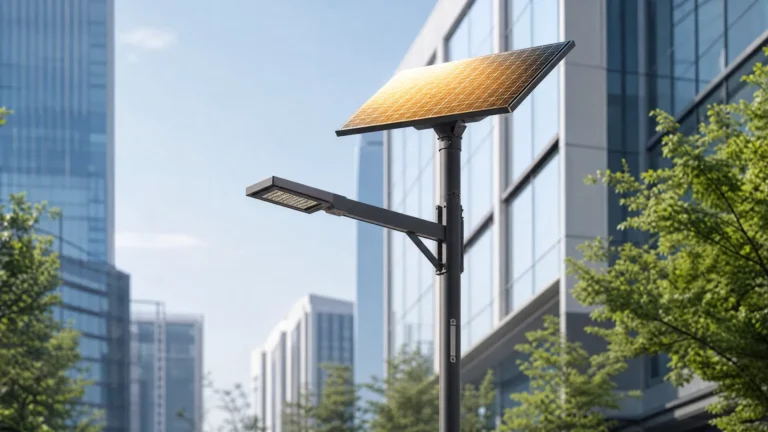
Integrated & Split Systems
Flexible solar configurations for roads, parks, campuses and parking areas
Off-grid Lighting Solution
Reduces trenching and grid-connection requirements at suitable project sites
LiFePO4 & Smart Controls
Battery capacity, operating schedule and dimming controls configured for the project
Project-specific Engineering
Pole height, solar panel, LED load and wind resistance designed to site requirements
Types of Solar Light Poles
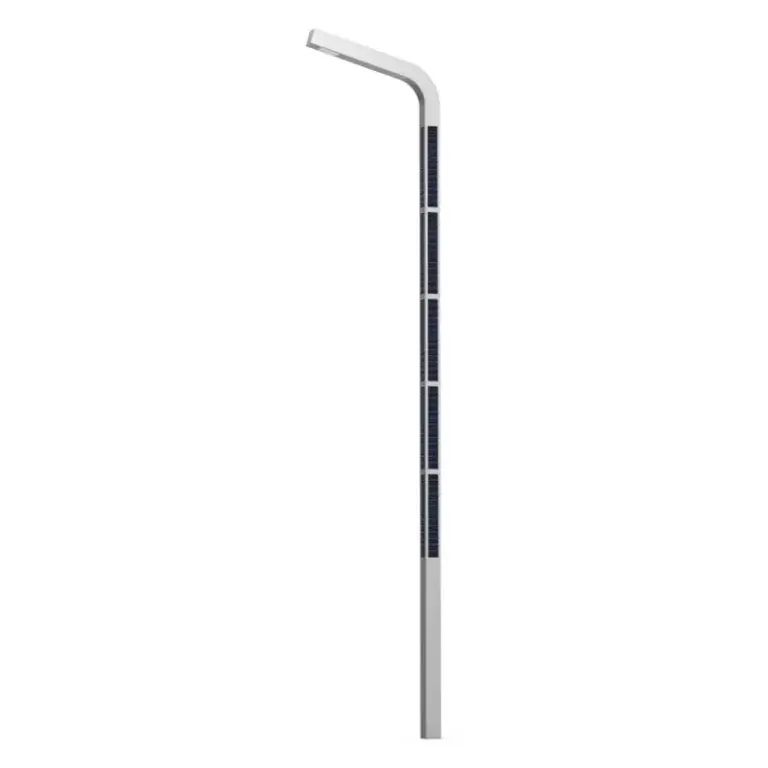
Custom solar light poles for roads, parking areas, campuses, parks and off-grid lighting projects. Integrated and split configurations are available with project-specific pole heights, solar panels, batteries, LED luminaires and control options.
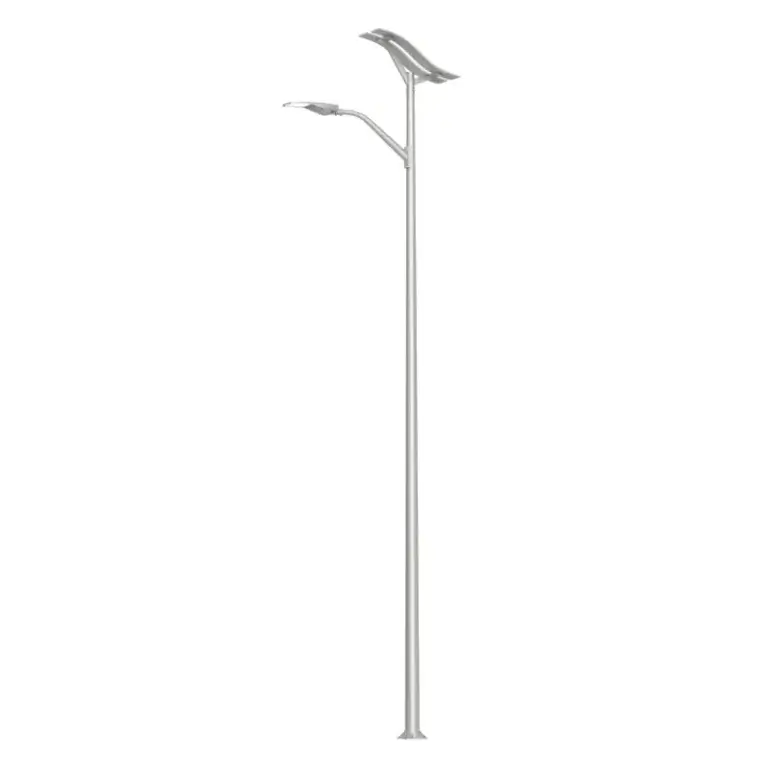
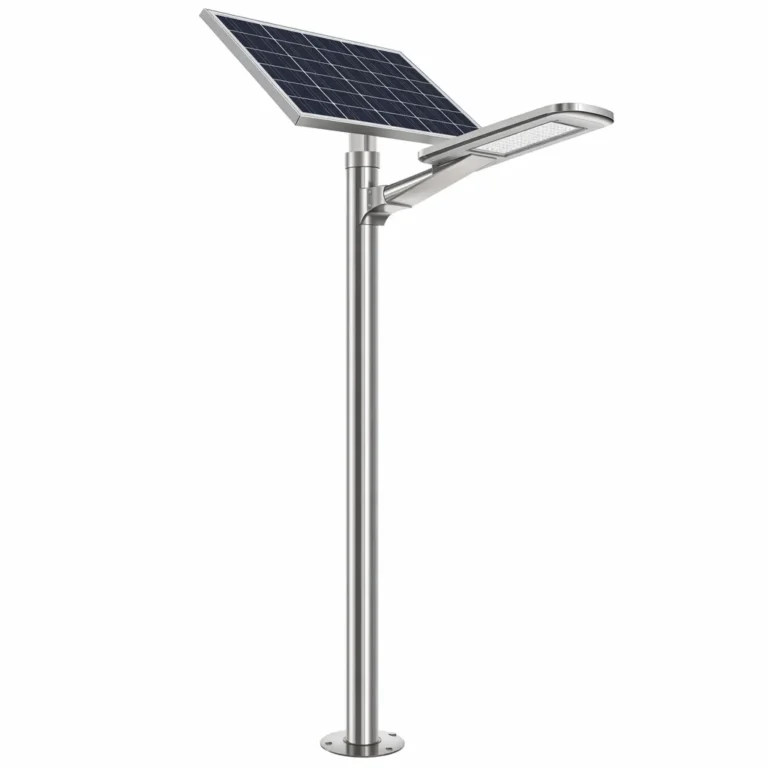
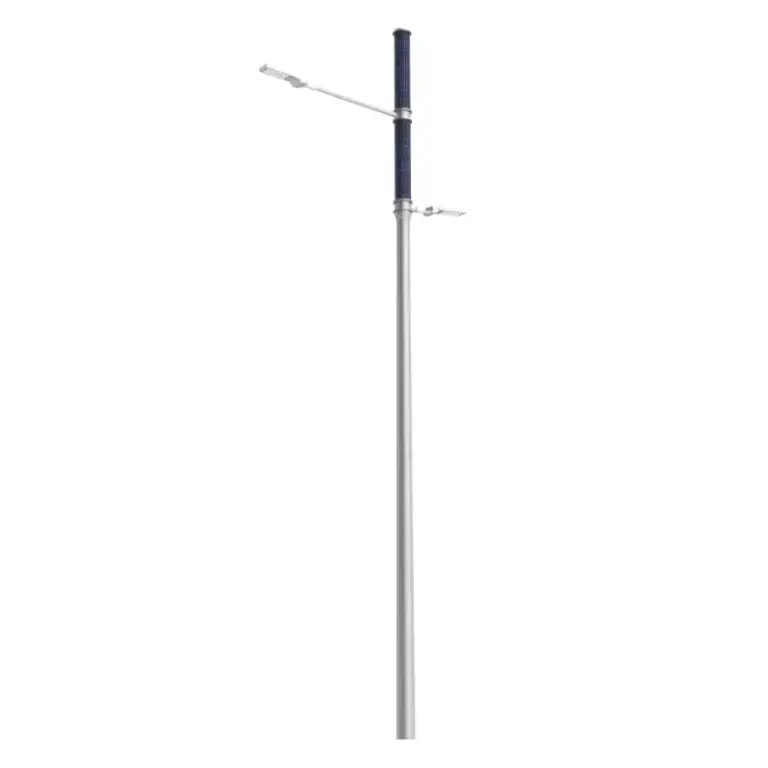
Solar Lighting System Components and Controls
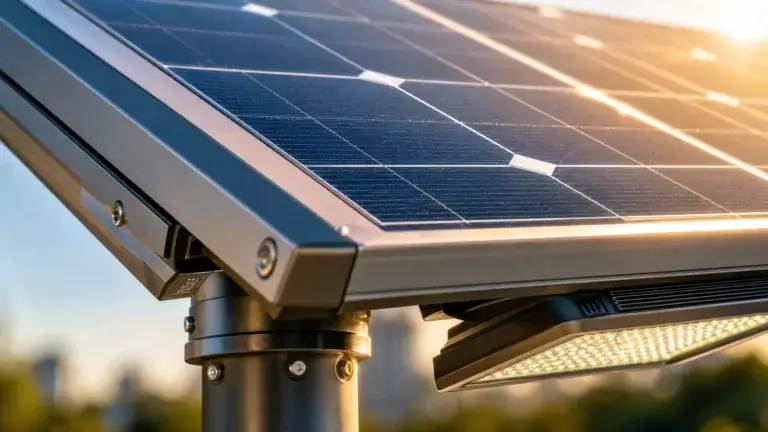
Solar Panel
Monocrystalline panels, with 60–300 W options. Module efficiency and rated output vary by model; confirm the selected panel datasheet.
Battery System
LiFePO4 batteries, with 20–200 Ah options. Cycle life varies by battery model and operating conditions; confirm the selected battery datasheet.
LED Light Head
LED luminaires, with 20–150 W options. Efficacy and rated life vary by model; confirm values against the selected luminaire datasheet.
Pole Material
Stainless steel or aluminum alloy
Height Options
4m, 6m, 8m, 10m, 12m (custom available)
Protection Rating
Check IP and IK ratings for the selected luminaire and battery enclosure; ratings vary by component and model.
Solar Light Pole Applications
System selection should account for site shading, target light levels, operating hours, local solar conditions and required backup time. These factors help determine the panel, battery and control configuration for each project.
Urban Plazas & Streets
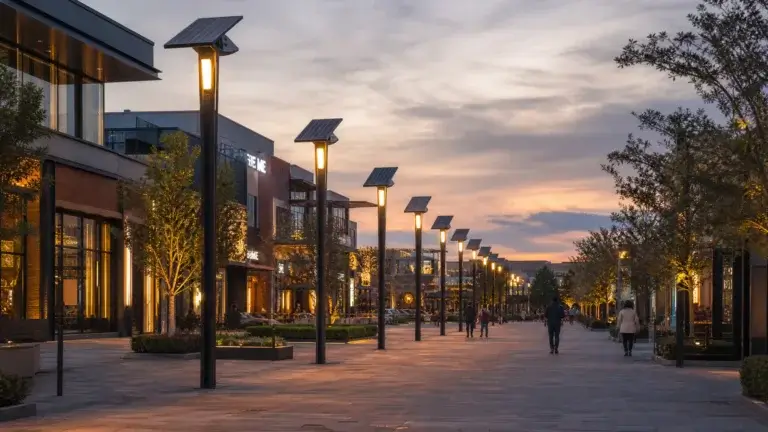
For urban streets and plazas, select luminaire optics and mounting angles that direct light onto the intended area and help limit unwanted light spill.
Rural Highways
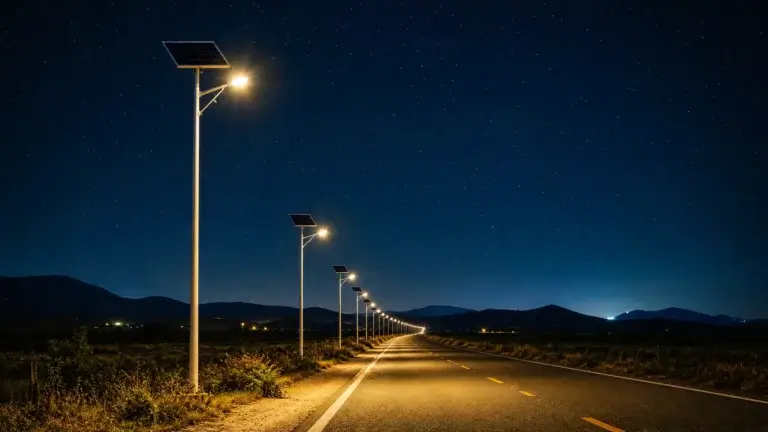
Solar lighting can serve remote road projects where grid connection is unavailable or impractical. Lighting performance and backup time depend on the site’s solar conditions, operating schedule and selected system design.
Industrial Parks
Plan pole layout, mounting height and lighting coverage around internal roads, loading areas and project wind criteria.
Parking Lots
Size the pole layout and solar system for parking-bay coverage, operating hours, site shading and required backup time.
Residential Areas
Choose pole placement and lighting schedules for residential roads, walkways and shared outdoor areas.
Public Spaces
Plan pole spacing, mounting height and controls for paths, plazas and other pedestrian areas.
Solar Light Pole FAQ
What is the difference between an integrated and a split solar lighting system?
An integrated system groups key components in a compact assembly. A split system positions the panel, battery and luminaire separately, offering more flexibility in their placement. The better option depends on the lighting requirement, available sunlight and site layout.
How do I choose between an aluminum and a stainless steel solar light pole?
Choose the pole material according to the site environment, structural design, appearance and maintenance plan. The lighting system should be specified separately from the shaft material; neither material alone determines solar performance.
How are the solar panel and battery sizes determined?
Sizing depends on the LED load, operating hours, dimming schedule, local solar conditions and required backup time. These inputs should be reviewed together rather than choosing a panel or battery solely by its advertised capacity.
Will the light operate through cloudy days?
It may, if the system has been sized for the site's expected conditions and required backup time. The number of supported low-sunlight days cannot be guaranteed without reviewing the location, operating schedule and system configuration.
Can a solar light pole be installed in a shaded location?
Shade reduces the energy available to the panel. Before specifying the system, check for obstruction from buildings and trees throughout the day and consider whether the panel can be positioned to receive adequate sunlight.
What information is needed to design the pole structure?
Provide the installation location, pole height, mounting method, design wind criteria, and the dimensions and weight of the panel, luminaire, battery enclosure and other mounted equipment. The complete assembly should be assessed, not just the pole shaft.
Does the quotation include the panel, battery, luminaire and foundation parts?
The supply scope must be confirmed for each order. Tell us whether you need a complete solar lighting system or only the pole, and identify any required mounting hardware or foundation components so they can be listed clearly in the quotation.
What should I provide for an accurate project quotation?
Send the site location, lighting area, operating hours, target brightness, pole height, quantity, preferred material and installation method. Site photos, drawings and local wind requirements will also help us review the configuration.