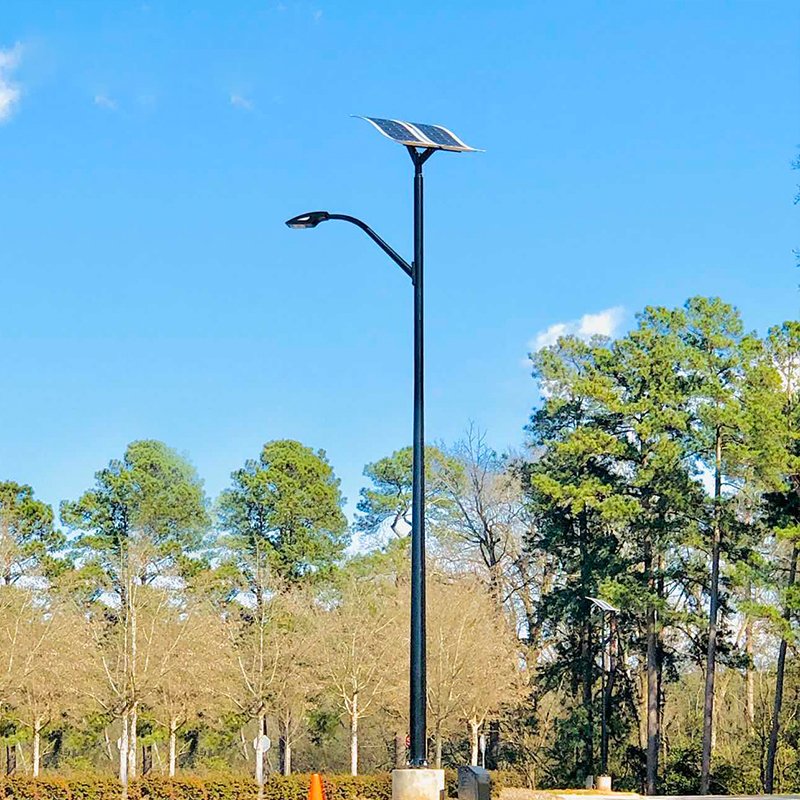
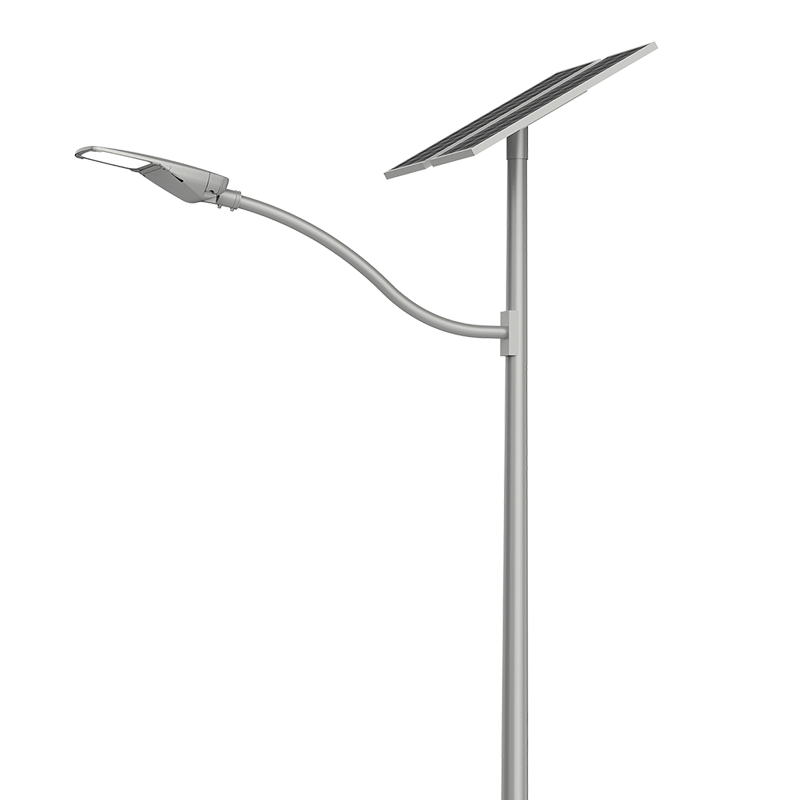
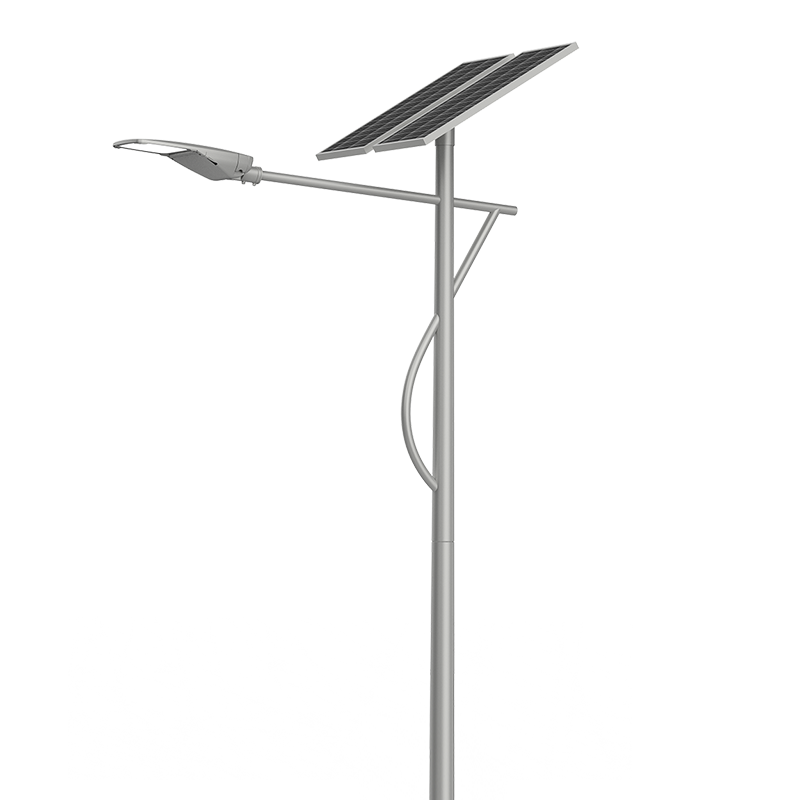
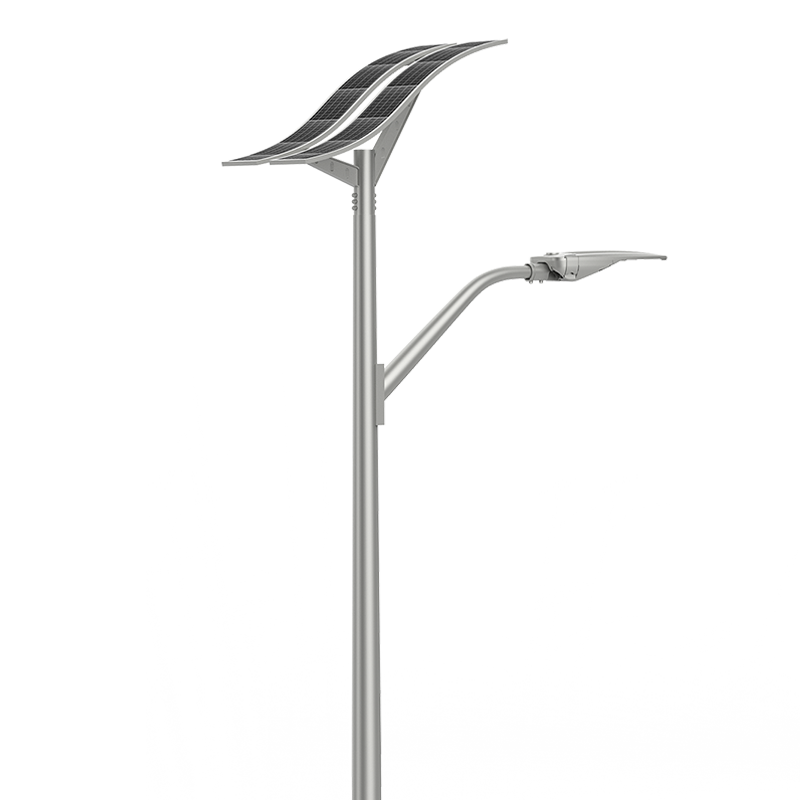
In the evolving landscape of urban and rural development, the integration of renewable energy into everyday infrastructure is no longer a novelty but a necessity. Standing at the intersection of sustainability, technology, and practical engineering is the aluminum solar light pole. This integrated system represents a complete departure from traditional grid-dependent lighting, offering a self-sufficient, efficient, and environmentally conscious solution for illuminating spaces where running electrical conduits is impractical, prohibitively expensive, or simply undesired. The choice of aluminum as the structural material is not incidental; it is a critical factor that unlocks the full potential of this innovative technology.
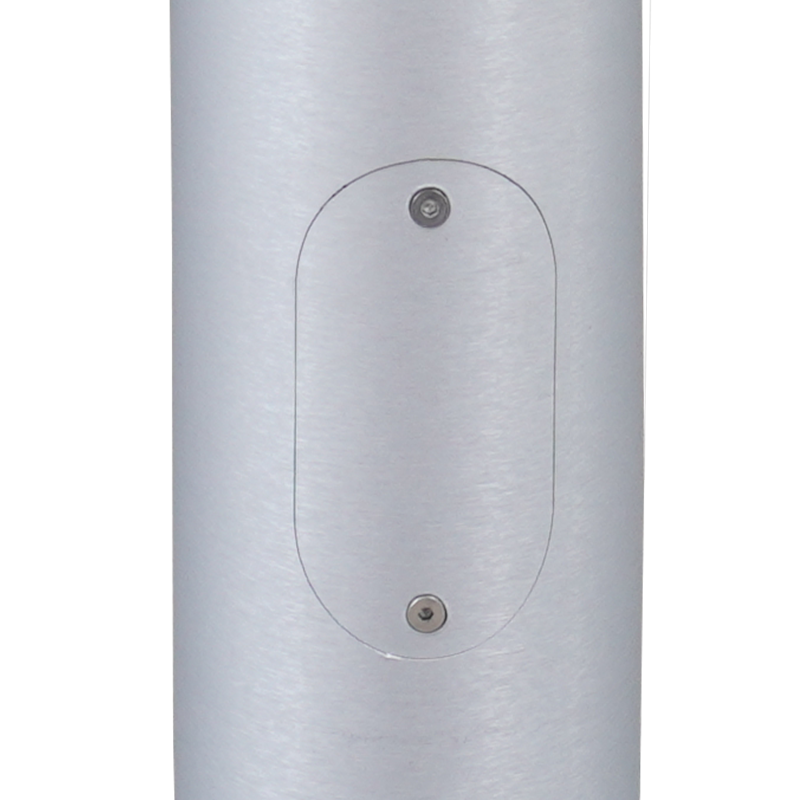
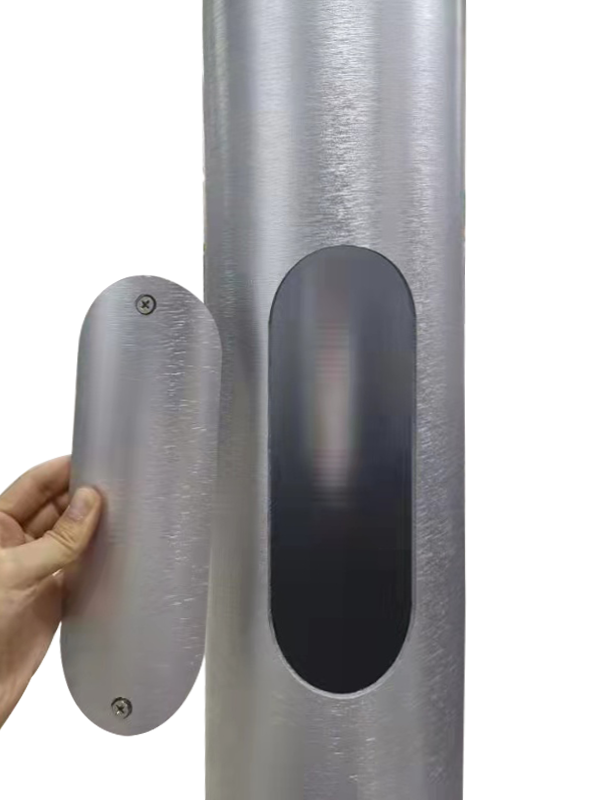
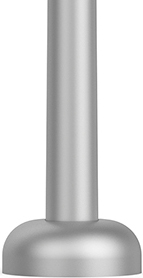
An aluminum solar light pole is not merely a standard pole with a panel attached; it is a fully integrated, standalone power generation and lighting system. Its core components include a high-efficiency photovoltaic (PV) solar panel, a high-capacity lithium-ion or lead-acid battery housed within the pole for energy storage, an advanced charge controller to manage the energy flow and protect the battery, and an LED luminaire. The entire system is intelligently managed by a controller that often includes features like passive infrared (PIR) motion sensors for enhanced efficiency and programmable operating modes. The pole itself, crafted from aluminum, serves as the foundational chassis that houses, protects, and supports all these components.
The selection of aluminum as the structural material is a deliberate engineering decision that directly addresses the unique demands of a solar lighting system. The most paramount advantage is aluminum’s exceptional corrosion resistance. Forming a protective oxide layer when exposed to air, aluminum is inherently immune to rust. This is crucial for the long-term viability of the system, as the pole must withstand decades of exposure to rain, humidity, and corrosive elements without structural degradation. This durability ensures the protection of the valuable and sensitive electrical components housed within its shaft, guaranteeing a long service life with near-zero maintenance.
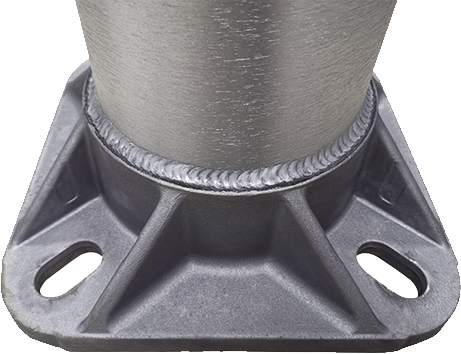
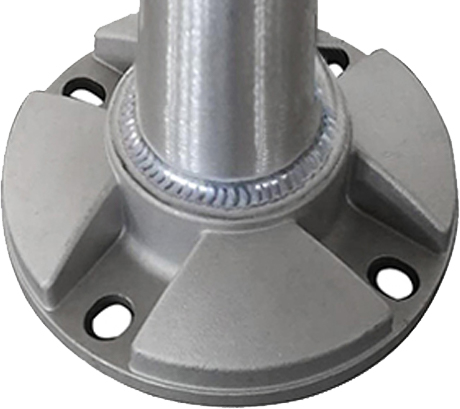
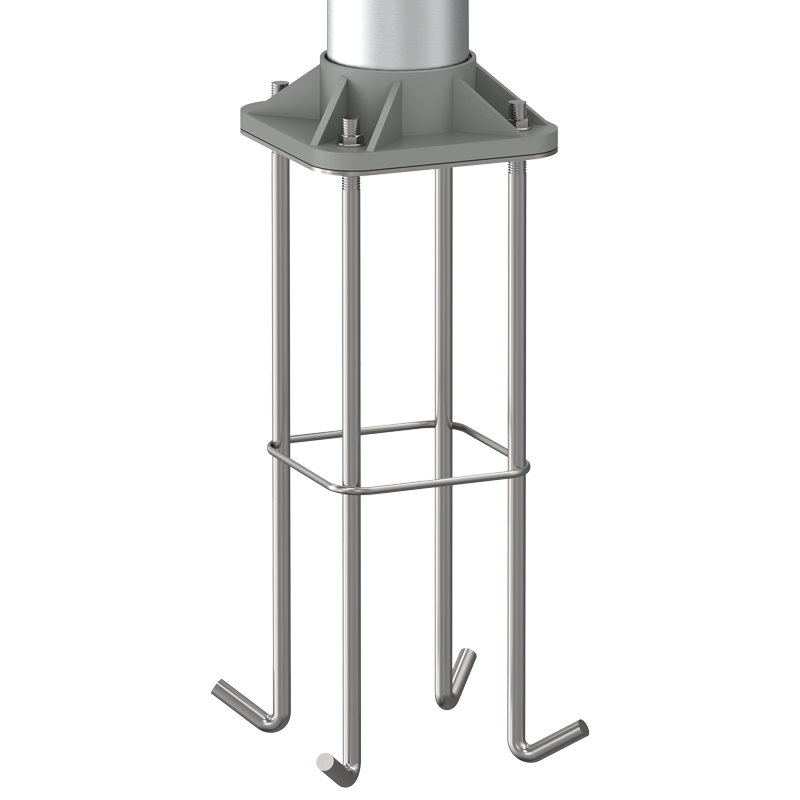
Furthermore, aluminum’s high strength-to-weight ratio is a significant logistical benefit. Solar light poles are often installed in remote or difficult-to-access locations—along a nature trail, in a community park, or in a developing area without established infrastructure. The lightweight nature of aluminum makes transportation to these sites far easier and cheaper than steel alternatives. Crucially, it also simplifies the installation process. A small crew can often manually set the pole into a direct-burial foundation without the need for heavy machinery, dramatically reducing installation time, cost, and disruption to the site. This lightweight characteristic also minimizes the load and structural stress on the anchoring system.
The applications for aluminum solar light poles are vast and growing, driven by their independence from the electrical grid. They are the premier solution for remote area lighting, such as in rural villages, on long hiking or biking paths, and in agricultural fields. They provide unparalleled off-grid security lighting for perimeter fencing around industrial yards, construction sites, and remote infrastructure like pump stations or cell towers. In parks and public spaces, they allow for the enhancement of amenities without the cost and disruption of trenching for electrical lines. They are also increasingly used for urban and suburban applications, such as lighting residential streets, parking lots, and bus stops, where municipalities seek to reduce their electricity consumption and carbon footprint while enhancing resilience against power outages.