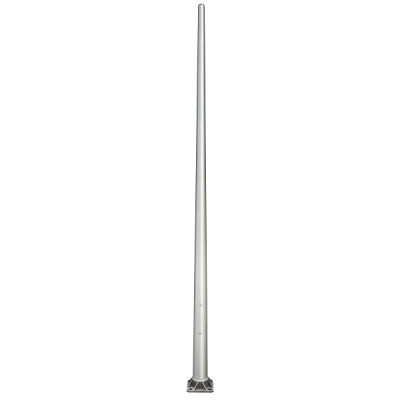
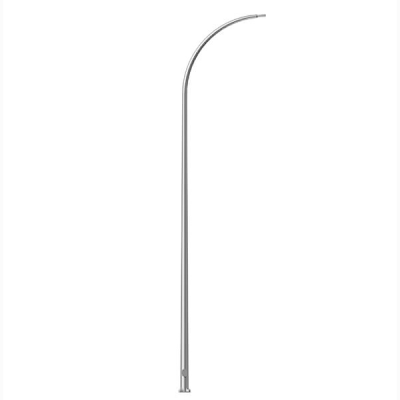
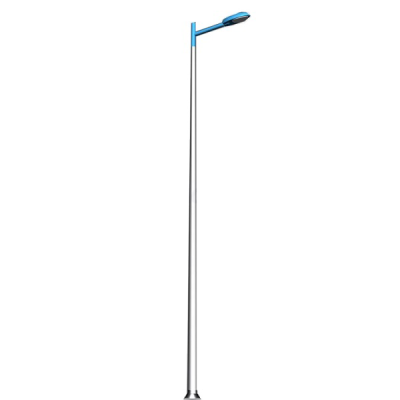
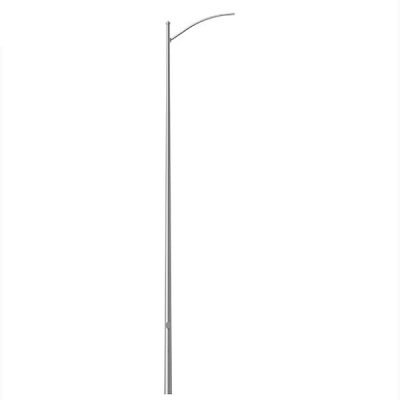
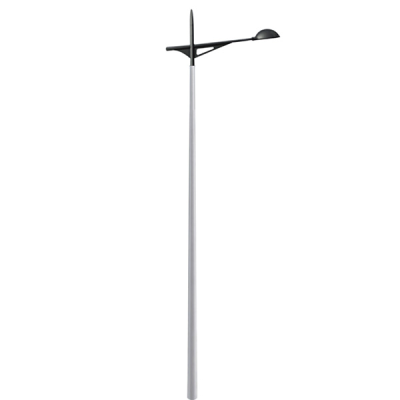
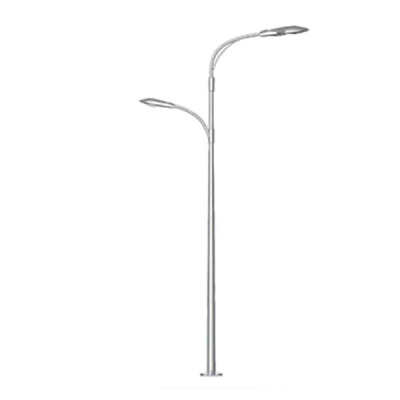
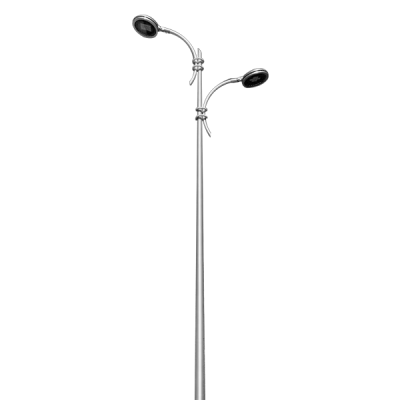
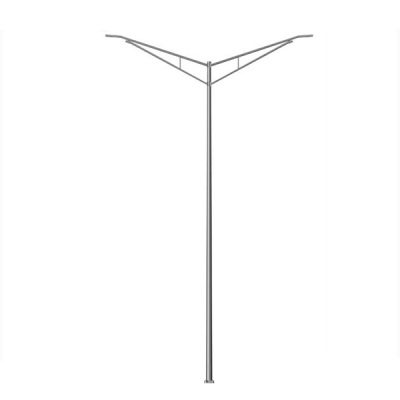
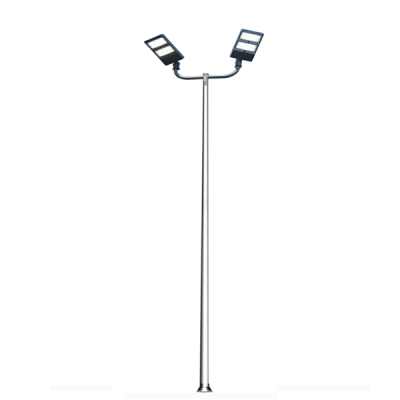
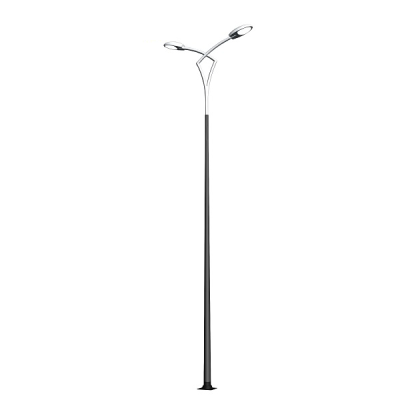
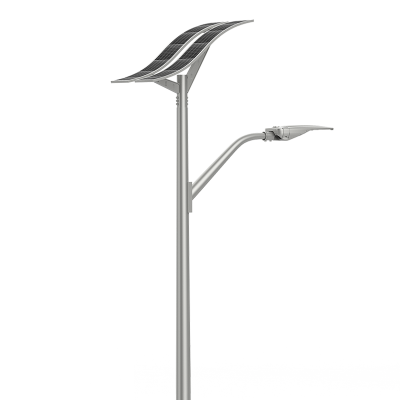
A street light pole is a ubiquitous feature of the modern urban landscape, serving as a silent sentinel throughout the day and night. Its primary function is to provide illumination for roadways, sidewalks, and public spaces after sunset, ensuring safety and security for pedestrians and motorists alike. By banishing darkness, it reduces the risk of accidents and deters criminal activity, fostering a sense of communal well-being.
However, the role of the contemporary street light pole is rapidly expanding beyond simple illumination. Increasingly, these structures are being designed as multi-functional assets. They are becoming the backbone for smart city initiatives, integrating technology such as traffic monitoring cameras, environmental sensors, and public Wi-Fi access points. Some even host electric vehicle charging stations.
Constructed from durable materials like steel, aluminum, or concrete, these poles are engineered to withstand harsh weather conditions while supporting the weight of luminaires and additional hardware. Their design considers not only functionality but also aesthetics, contributing to the visual character of a street. From its core purpose of safety to its evolving role as a technological hub, the street light pole remains a fundamental and adaptable piece of civic infrastructure.