
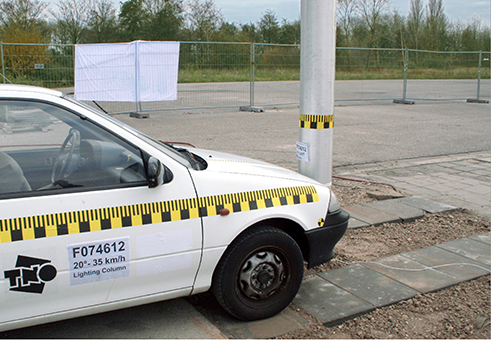
When considering urban lighting solutions, you might want to examine aluminum light poles for their enhanced security features. Their sleek design not only deters vandalism but also offers durability against harsh weather. These poles can include smart sensors to help monitor environmental safety in real-time. Curious about how they achieve such resilience and what standards support their use? Understanding the details can reveal why they’re becoming the preferred choice in modern city infrastructure.
Why Aluminum Light Poles Are a Safe Choice for Urban Lighting
When considering options for urban lighting, aluminum light poles stand out because of their impressive durability and low maintenance requirements.
Their lightweight construction allows for easy installation and replacement, minimizing disruption in busy urban areas. You’ll also appreciate that aluminum is resistant to rust and corrosion, reducing the risk of pole deterioration over time.
This durability translates to increased safety, as reliable lighting ensures better visibility for pedestrians and drivers alike. Moreover, aluminum light poles are unlikely to pose a significant hazard in the event of severe weather, since they bend rather than break.
The Structural Strength of Modern Aluminum Light Poles
While you might expect light poles to be sturdy, modern aluminum light poles exceed those expectations with their exceptional structural strength.
Engineered using advanced aluminum alloys, these poles offer impressive resilience against both environmental pressures and physical impacts. You’ll find that their lightweight design doesn’t compromise their ability to withstand high winds, heavy rain, or even minor collisions.
Plus, the poles are designed with optimal thickness, ensuring they can support various lighting fixtures without bending or breaking. This impressive strength not only enhances safety but also prolongs the lifespan of urban lighting systems.
Corrosion Resistance and Long-Term Safety Performance
Aluminum light poles are renowned for their resistance to corrosion, which significantly enhances their long-term safety performance.
You’ll appreciate how this resilience helps maintain structural integrity over time, reducing the need for frequent replacements. Unlike other materials, aluminum doesn’t easily succumb to rust or deterioration from the elements. This durability means you’re investing in a reliable lighting solution that can withstand both urban and rural environments.
When it comes to safety, corrosion-resistant aluminum poles help minimize risks related to structural failures. Plus, they require less maintenance, saving you time and money in the long run.
Ultimately, choosing aluminum light poles ensures reliable illumination while prioritizing longevity and safety for your spaces.
How Aluminum Light Poles Withstand Extreme Weather Conditions
Extreme weather conditions challenge many outdoor fixtures, but aluminum light poles stand up to the test.
Their lightweight yet sturdy design allows them to resist strong winds and heavy snow loads. You’ll appreciate how aluminum’s innate strength prevents bending and breaking, ensuring your lighting remains functional during storms.
The material doesn’t rust like steel, so you won’t worry about corrosion from rain or saltwater exposure. Additionally, aluminum’s ability to dissipate heat helps prevent damage from intense sunlight.
When ice forms, these poles can handle the added weight without compromising integrity. In other words, aluminum light poles give you peace of mind, knowing they’ll endure whatever Mother Nature throws their way, keeping your surroundings well-lit and safe.
Safety Standards for Aluminum Street Light Poles
When it comes to outdoor lighting, ensuring safety isn’t just about functionality; it’s also about complying with established safety standards. You’ll find that various organizations set guidelines for aluminum street light poles. These standards focus on factors like structural integrity, electrical safety, and accessibility.
You should check if the poles you consider meet ANSI and ASTM standards, as they ensure durability and reliability. Additionally, poles ought to have proper finish coatings to resist corrosion and wear.
You’ll want to ensure that pole height and placement adhere to local codes, which helps prevent accidents. Always make sure to choose poles that have been tested and certified, giving you peace of mind that they can withstand the demands of outdoor environments.
The Importance of Wind Resistance in Aluminum Pole Design
Wind resistance plays a crucial role in the design of outdoor lighting poles. When you’re selecting aluminum poles, it’s essential to consider their ability to withstand strong winds.
These structures face various weather conditions, and inadequate wind resistance can lead to catastrophic failures, including tipping or bending. You want poles that meet engineering standards to ensure they endure storms and high winds without compromising functionality or safety.
A well-designed aluminum light pole incorporates aerodynamic features that reduce wind load, enhancing stability. By prioritizing wind resistance in your choices, you protect not only the poles but also the surrounding area.
Anti-Rust Features That Improve Light Pole Security
Although rust is a common threat to outdoor structures, effective anti-rust features can significantly enhance the security and longevity of aluminum light poles.
When you choose a light pole with a protective coating, like powder coating or anodizing, you’re not just preventing rust; you’re also fortifying the pole against corrosion. These coatings create a barrier that keeps moisture and pollutants at bay, ensuring that the aluminum beneath stays intact.
You should also look for light poles designed with drainage features, as these help prevent water accumulation, which can lead to rust development.
Comparing the Safety of Aluminum vs Steel Light Poles
Choosing the right material for light poles is vital for ensuring safety and durability. When you compare aluminum and steel, each has unique benefits and drawbacks.
Aluminum poles offer lightweight advantages, making installation easier and reducing stress on mounting structures. They’re also resistant to corrosion, which enhances longevity and safety, especially in harsh weather conditions.
On the other hand, steel poles are robust and provide superior strength, making them ideal for high-wind areas. However, they can rust, requiring regular maintenance to ensure safety.
Ultimately, your choice depends on specific environmental factors and installation requirements. By considering these aspects, you can make an informed decision that prioritizes safety while meeting your project needs.
How Quality Manufacturing Enhances Pole Stability
Ensuring the stability of your light poles starts with quality manufacturing practices. When manufacturers prioritize design, material selection, and craftsmanship, you benefit from stronger, more resilient poles.
High-grade aluminum, for instance, offers an excellent strength-to-weight ratio, ensuring durability without unnecessary bulk. Precision engineering techniques lead to parts that fit together seamlessly, minimizing potential weak points.
Additionally, processes like anodizing enhance corrosion resistance, which is crucial for longevity and stability. By investing in poles made through these superior practices, you can reduce maintenance needs and enhance overall performance.
Ultimately, quality manufacturing not only elevates the pole’s lifespan but also gives you peace of mind, knowing that your lighting solution will withstand the test of time and environmental factors.
Earthquake and Storm Resistance of Aluminum Light Poles
While quality manufacturing lays the foundation for stability, aluminum light poles are also designed to withstand extreme environmental conditions, including earthquakes and storms.
Their lightweight yet robust structure allows them to flex and absorb energy during seismic events, minimizing the risk of failure. In stormy weather, the aerodynamic design reduces wind resistance, preventing topple even in fierce gusts.
You’ll appreciate that these poles undergo rigorous testing to meet safety standards, ensuring they’re ready for whatever Mother Nature throws at them. Plus, their corrosion-resistant finish helps maintain integrity over time, even in harsh conditions.
Investing in aluminum light poles means securing reliable performance and peace of mind, knowing they can handle the pressures of both earthquakes and storms effectively.
Security Benefits of Lightweight Aluminum Pole Structures
When considering the security benefits of lightweight aluminum pole structures, you’ll find they offer enhanced stability and safety in various settings.
Their lightweight nature allows for easier installation and maintenance, which means you can quickly address any issues that may arise. Additionally, aluminum poles are corrosion-resistant, ensuring they remain strong and reliable over time, reducing the risk of structural failure.
With a higher strength-to-weight ratio, these poles can withstand extreme weather conditions, further securing the environment around them.
Their sleek design can also deter vandalism, as they’re less likely to be targeted compared to heavier, bulkier options.
Ultimately, choosing aluminum poles means investing in a safer and more secure infrastructure for your community.
Preventing Accidents with Durable Aluminum Lighting Poles
To prevent accidents in both public and private spaces, using durable aluminum lighting poles plays a crucial role.
These poles not only withstand harsh weather conditions but also resist corrosion and impact, ensuring they remain upright and reliable. When you choose aluminum poles, you’re less likely to face issues like rust or deterioration that can compromise visibility and safety.
The robust design also minimizes the risk of falling or toppling over, which can lead to serious injuries.
Moreover, the lightweight nature of aluminum allows for easier installation and repositioning, enabling you to adapt lighting as needed.
How Aluminum Light Poles Reduce Maintenance Risks
Aluminum light poles significantly reduce maintenance risks, thanks to their inherent durability and resistance to environmental challenges.
Unlike other materials, aluminum doesn’t rust, meaning you won’t face frequent repairs or replacements due to corrosion. This longevity cuts down on maintenance costs, allowing you to allocate resources more efficiently.
Additionally, aluminum’s lightweight nature makes installation and repairs easier, minimizing the response time for any needed fixes. You’ll appreciate how these poles can withstand harsh weather conditions, reducing wear and tear over time.
With the right design, you can enjoy a safer environment, knowing that fewer maintenance issues arise.
Ultimately, choosing aluminum light poles translates to peace of mind and a more reliable lighting solution for your community.
Protective Coatings and Their Role in Pole Safety
Many people may not realize how essential protective coatings are for ensuring the longevity and safety of light poles. These coatings act as a barrier against weather elements, preventing corrosion and damage that can weaken the structure over time.
When you choose a well-coated light pole, you’re not just investing in aesthetics; you’re protecting against rust, salt, and pollutants that can degrade the metal. Furthermore, high-quality coatings enhance visibility, making poles more recognizable in low-light conditions, which can help prevent accidents.
Without these protective layers, your poles risk deterioration and increased maintenance costs. By prioritizing the right coatings, you ensure your aluminum light poles remain sturdy and secure, ultimately contributing to a safer environment for everyone.
Smart Engineering Behind Secure Aluminum Light Pole Systems
While security is a primary concern for public infrastructure, smart engineering delivers innovative solutions that enhance the safety and stability of aluminum light pole systems.
You mightn’t realize it, but each pole is designed with advanced structural analysis techniques that consider environmental factors like wind load and seismic activity. Engineers utilize high-strength alloys to ensure durability without sacrificing lightweight properties.
Integrated technologies, such as impact sensors, provide real-time monitoring of the pole’s condition, alerting maintenance teams to potential issues before they escalate. Smart locking mechanisms help prevent unauthorized tampering, adding an extra layer of security.
Why Cities Prefer Aluminum Light Poles for Public Safety
When it comes to ensuring public safety, cities often turn to aluminum light poles for their unique advantages. These poles are lightweight yet durable, making them easy to install and maintain.
You’ll find aluminum poles can withstand harsh weather conditions, ensuring consistent lighting even in storms. Their corrosion resistance means they hold up better over time than other materials, reducing replacement costs.
In addition to practicality, aluminum poles offer a sleek, modern aesthetic. This appeals to urban planners looking for design that complements city landscapes.
With effective lighting, these poles enhance visibility, deterring criminal activity and improving safety for pedestrians. Ultimately, choosing aluminum light poles is a smart investment in both functionality and community well-being.
Load-Bearing Capacity of Aluminum Decorative Light Poles
Aluminum decorative light poles boast impressive load-bearing capacities, making them a reliable choice for urban environments.
These poles can support various attachments, such as lighting fixtures, banners, and even security cameras, without compromising structural integrity. Their engineered design ensures they withstand not just the weight of these elements but also environmental stresses like wind and snow.
You can trust that these poles maintain stability and functionality in diverse weather conditions. Moreover, the lightweight nature of aluminum enables easier installation while still offering durability.
As a city planner or facility manager, choosing aluminum poles means prioritizing safety and reliability for your community.
With their robust load-bearing capability, aluminum decorative light poles enhance both aesthetic appeal and practical performance.
Safe Installation Practices for Aluminum Lamp Poles
To ensure the longevity and stability of aluminum lamp poles, you should follow proper installation practices.
Start by selecting a solid foundation, like concrete, that can support the pole’s weight and maintain its upright position. Dig a hole that meets the required depth—generally, one-third of the pole’s height. When securing the pole, use quality anchors and bolts, tightening them to manufacturer specifications for optimal stability.
Also, ensure the pole is plumb during installation to prevent future lean or misalignment. Don’t forget to consider the surrounding environment and potential hazards, like high winds or falling debris, which may impact the pole’s performance.
Finally, regularly inspect the installation for damage or wear to maintain safety and functionality.
The Role of Material Quality in Light Pole Security
Proper installation practices are just the beginning of ensuring the durability and safety of your light poles. The quality of materials plays a crucial role in security.
When you choose high-grade aluminum, you’re not just opting for a lightweight option; you’re investing in strength and resilience. Quality aluminum resists corrosion and withstands harsh weather conditions, significantly reducing maintenance needs and failure risks.
If you skimp on material quality, you might face unforeseen challenges, like reduced lifespan or structural weakness, making your pole more susceptible to damage.
It’s essential to understand that the integrity of your light poles directly affects public safety. So, prioritize top-tier materials to ensure your lighting infrastructure is both secure and reliable.
Future Trends in Safer Aluminum Lighting Infrastructure
As cities evolve and technology advances, the future of safer aluminum lighting infrastructure looks promising.
You’ll see innovations like smart sensors integrated into light poles, providing real-time data on environmental conditions and potential hazards. These advancements can help identify issues before they escalate, enhancing public safety.
The use of forged aluminum alloys will offer improved durability while remaining lightweight. This not only reduces the risk of vandalism but also lowers maintenance costs.
Additionally, you’ll find designs that incorporate anti-theft features and protective coatings, making them more resilient against various elements.
With continuous investments in research and development, cities are set to create a more secure environment, ensuring that aluminum lighting infrastructure meets the challenges of modern urban landscapes effectively.
Conclusion
In conclusion, aluminum light poles are a secure and reliable choice for urban lighting. Their sturdy construction combined with corrosion resistance ensures they hold up against harsh weather while reducing vandalism risks. The integration of smart technology enhances safety by monitoring the environment and identifying hazards. By prioritizing safety standards and proper installation practices, you can enjoy the benefits of these modern light poles, creating a safer, well-lit environment for everyone.