
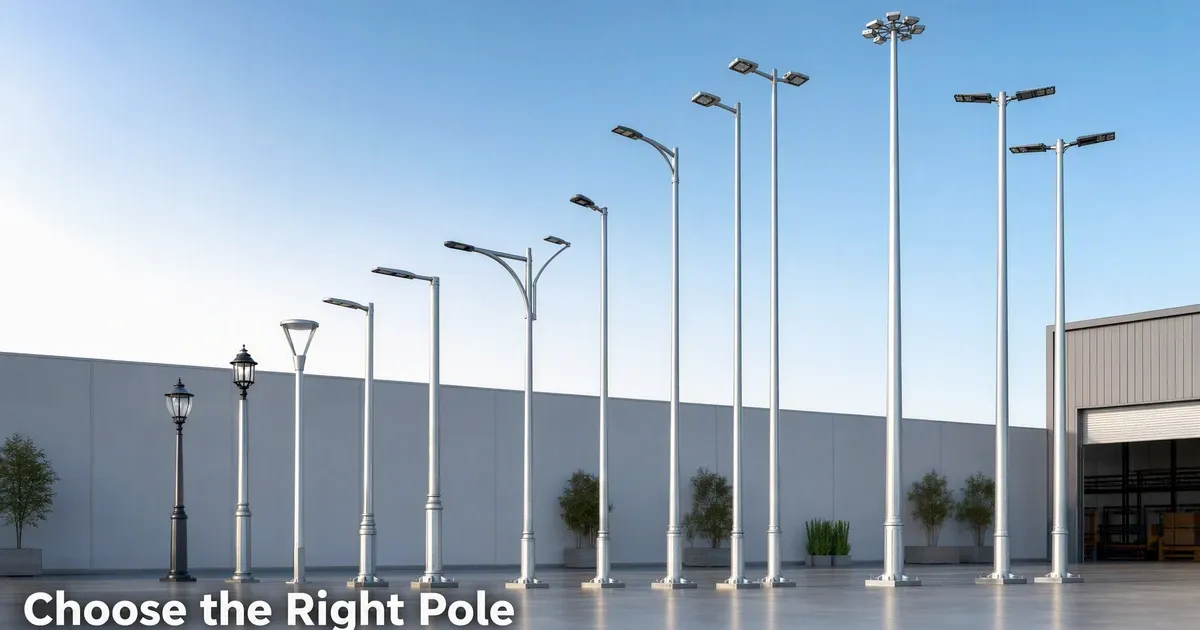
When you’re selecting an aluminum light pole for your project, there are several critical factors to consider. The shape, height, and specifications can significantly impact both functionality and aesthetics. You’ll want to match the pole’s design with its intended use, whether in a park or a commercial area. Understanding these variables sets the stage for a successful choice. But what specific guidelines should you follow to ensure you make the right selection?
Aluminum Light Poles Shapes
When selecting an aluminum light pole, you’ll notice a few common shapes to consider: Round Tapered Aluminum, Round Straight Aluminum, and Square Straight Aluminum.
Each shape comes with its own set of benefits and applications. Understanding these options can help you make the best choice for your lighting needs. Additionally, round poles are recommended for better stability in high winds, making them an excellent choice for various outdoor environments.
Round Tapered Aluminum (RTA)
These aluminum light poles feature a tapered design that offers a modern look while providing stability and strength. If you’re looking to enhance the visual appeal of your space, custom aluminum poles allow you to tailor the design to match your specific needs.
RTA poles are ideal for parks, streetscapes, and parking lots, offering not only durability but also corrosion resistance. When choosing your poles, consider factors such as height, finish, and fixture compatibility.
With the right RTA aluminum light pole, you’ll achieve effective illumination and a stylish touch for your project.
Round Straight Aluminum (RSA)
Aluminum light poles come in various shapes, and Round Straight Aluminum (RSA) poles are a straightforward option that offers both functionality and style.
These poles maintain a sleek, modern aesthetic, making them perfect for urban environments or residential areas. When you choose an RSA aluminum lamp pole, you’re opting for durability and versatility; they can withstand varying weather conditions while supporting a range of lighting fixtures.
Whether you need an aluminum street light pole for roadways, pathways, or parking lots, RSA poles deliver reliable performance. Their consistent diameter offers stability, making them easy to install and maintain.
Plus, the smooth finish enhances any setting, ensuring your project looks great while providing ample illumination.
Square Straight Aluminum (SSA)
Looking for a sturdy and stylish lighting solution? Square Straight Aluminum (SSA) poles might be just what you need.
These outdoor lighting poles offer a modern aesthetic, perfect for parks, streets, or commercial spaces. Their angular design not only enhances structural integrity but also provides excellent stability in various weather conditions.
When you choose SSA poles, you’re investing in durability and style, ensuring that your lighting projects stand out.
Many light pole manufacturers offer customizable options, allowing you to select heights and finishes that match your project’s vision.
Standard Height for different Applications
Streets
Choosing the right height for light poles on streets is crucial for ensuring safety and visibility. Typically, street light poles should range from 14 to 20 feet high. If you’re lighting major roadways or highways, consider poles at the higher end for better illumination over longer distances.
For residential streets, 14 to 16 feet works well, providing sufficient light without causing glare for homeowners.
Think about the pole spacing too; it’s commonly recommended to space poles 100 to 120 feet apart to maximize coverage. Always factor in local regulations, as they can influence height requirements.
Ultimately, selecting the proper height can enhance safety, deter crime, and improve the overall aesthetic of your street lighting project.
Parks
In parks, selecting the appropriate height for light poles varies based on the specific activities and areas being illuminated.
For general pathways and walking trails, a height of 10 to 12 feet works well, offering enough light without creating a harsh glare.
If you’re lighting playgrounds, consider poles around 12 to 15 feet tall; they provide ample coverage for safety and enjoyment.
For sports fields, such as basketball or soccer, taller poles at 16 to 20 feet are ideal, ensuring visibility for both players and spectators.
Remember to take into account the surrounding landscape and any potential obstructions to maximize effective lighting.
Parking Lot
Selecting the right height for parking lot light poles is crucial for ensuring safety and visibility. Typically, you’ll want your poles to be between 12 to 20 feet high, depending on the size and layout of your parking area.
For standard lots, poles at 15 to 18 feet work best, providing ample light while minimizing glare. If you’re illuminating larger commercial spaces, consider 20-foot poles to ensure even light distribution.
Remember, the pole height should also align with your local regulations and the surrounding environment.
When you choose the right height, you’re not only enhancing security but also improving the overall user experience. Take your time to assess your needs before making a final decision.
Specification
Diameter
Choosing the right diameter for your aluminum light pole plays a crucial role in its performance and stability. A wider diameter can provide better strength and support, especially in areas prone to high winds or heavy loads.
Consider the specific lighting requirements and mounting options for your project. If you’re installing multiple lights or heavier fixtures, opting for a larger diameter might be necessary to ensure durability.
Conversely, if you’re working in a more sheltered area with less wind exposure, a smaller diameter could suffice. Always match the diameter with the expected environmental conditions and the intended use.
Doing so will ensure you maximize both safety and effectiveness in your lighting installation.
Wall Thickness
Wall thickness is a key factor that significantly affects the strength and longevity of your aluminum light pole. When you’re selecting your pole, consider the environmental conditions it will face.
Thicker walls provide greater resistance to bending and corrosion, making them ideal for areas with harsh weather or high winds. If you’re installing in a more sheltered location, you might opt for a thinner wall to reduce costs while still maintaining durability.
Keep in mind, though, that too thin a wall could lead to structural failures over time. Always balance your project’s specific needs with budget considerations, ensuring you choose a wall thickness that meets required standards for both safety and performance.
Your choice here can prevent future headaches and extra expenses.
Installation Methods
Anchor Bolts
Proper installation of anchor bolts is crucial for the stability and longevity of aluminum light poles.
You need to start by selecting high-quality bolts that can withstand environmental stress. Next, ensure you have the correct spacing and alignment according to your pole specifications.
When you dig the holes, make sure they’re deep enough to support the weight and height of the pole. Use a level to keep the bolts vertical during the concrete pour.
Once the concrete sets, check for any irregularities before installing the pole. Tighten the nuts to secure the pole in place, compensating for any potential settling.
After that, it’s essential to regularly inspect the anchor bolts for corrosion and stability. This way, you’ll maintain a safe installation.
Direct Burail (Reduce installation costs)
After securing the anchor bolts, you might consider direct burial as an installation method for aluminum light poles. This technique involves embedding the pole directly into the ground, which can significantly reduce your installation costs.
Since you won’t need a concrete base, the process is quicker and simpler. You’ll just need to dig a hole deep enough to accommodate the pole and ensure it can withstand wind loads. Additionally, this method can minimize the amount of site work needed, making it ideal for project budgets.
Direct burial also offers a clean look without unsightly bases. Just be sure to check local regulations regarding pole depth and stability to ensure your installation meets all required standards.
Folded Base (Reduce maintenance costs)
One effective installation method for aluminum light poles is using a folded base, which can greatly reduce your maintenance costs. This design minimizes the exposure of the pole to the elements, preventing wear and tear from corrosion or rust.
By having a sturdy, welded base, you won’t need to frequently replace or repair the installation, saving both time and money.
Additionally, a folded base allows for easier access to wiring and fixtures during maintenance, making repairs quicker and less costly.
You’ll appreciate the long-term durability that comes with this installation method, giving you peace of mind.
Opting for a folded base not only enhances the longevity of your light poles but significantly cuts down on those pesky upkeep expenses.
Surface Treatment
Anodizing
Anodizing is a crucial surface treatment that enhances the durability and appearance of aluminum light poles. This electrochemical process increases the thickness of the oxide layer on the aluminum, providing a robust barrier against corrosion and wear.
It also allows for better adhesion of paints and other finishes if you choose to add color. When you anodize your light poles, you’re ensuring they withstand harsh weather conditions and resist fading over time.
Plus, the range of finishes available means you can select a look that complements your project’s aesthetics. Whether you want a matte or shiny finish, anodizing offers flexibility without compromising durability.
In short, anodized aluminum light poles are a reliable choice for your lighting needs.
Powder Coating
While anodizing offers excellent protection, powder coating is another effective surface treatment that enhances the appearance and performance of aluminum light poles.
This technique involves applying a dry powder that’s cured under heat, creating a solid, durable finish. You’ll appreciate powder coating’s resistance to chipping, fading, and scratching, ensuring your light poles maintain their look and function over time. Plus, it provides excellent corrosion resistance, making it ideal for various environments.
The process is eco-friendly, too, as it generates minimal waste and uses no solvents. When selecting aluminum light poles, consider powder coating for its blend of durability and aesthetic appeal, giving your project the longevity and visual impact you desire.
It’s a smart choice for both performance and style.
Color selection
How do you choose the right color for your aluminum light poles? Start by considering the environment where they’ll be installed.
If you’re in a natural setting, earthy tones can blend seamlessly. Urban areas often benefit from neutral or bold colors that stand out. Think about your project’s purpose too; vibrant colors might be ideal for recreational spaces, while more subdued shades work well for professional settings.
Maintenance is another factor—darker colors might hide dirt better but could absorb heat, while lighter shades often require more frequent cleaning.
Lastly, check the manufacturer’s color options and any additional surface treatments, like powder coating, which can enhance durability. With these considerations, you’ll make a confident choice for your aluminum light poles.
The strength of the aluminum light pole
When choosing an aluminum light pole, you should consider its strength, as it directly affects both durability and safety. Aluminum is a lightweight yet surprisingly strong material, making it ideal for outdoor applications.
A strong pole can withstand harsh weather conditions, including high winds, heavy rain, and snow. Look for poles with a thicker wall thickness, as this enhances their strength and resilience.
Additionally, don’t forget to check for certifications or testing standards that demonstrate the pole’s ability to resist corrosion and harsh environmental factors.
Investing in a sturdy aluminum light pole ensures that your lighting solution lasts longer, reduces maintenance costs, and keeps your space well-lit and safe for users. Prioritizing strength will lead to better, lasting results.
Which areas are suitable for using aluminum light poles?
Where can you effectively install aluminum light poles? These versatile poles are ideal for various locations, including residential neighborhoods, parks, and commercial areas.
If you’re looking to light up parking lots or sidewalks, aluminum light poles provide durability and style. They’re also suitable for sports facilities, where robust lighting is crucial for player safety and visibility during games.
You can even use them in recreational areas and along roadways to enhance safety and visibility for drivers and pedestrians alike. Their resistance to corrosion makes them a long-lasting choice in coastal regions or areas with harsh weather conditions.
Conclusion
In conclusion, choosing the right aluminum light pole is crucial for maximizing your project’s effectiveness. By considering the shapes, heights, and specifications, you can ensure the pole meets both aesthetic and functional needs. Don’t forget to think about installation methods and surface treatments that enhance durability. Remember, aluminum light poles are perfect for parks, pathways, and commercial spaces—making them a versatile choice for any area. Make your selection wisely to achieve the best results!